
The final bell rings, the music starts, and suddenly the whole schoolyard is cheering. That is the goal when you plan school field day activities: give students a chance to move, laugh, try something new, and feel part of one big school celebration. The best days are not necessarily packed with complicated games. They are well-organized, high-energy, and built so every grade can join the fun!
A successful field day also takes pressure off staff and volunteers. With a smart layout, realistic schedule, and a few crowd-pleasing activity stations, your school can create a memorable event without turning teachers into full-time event coordinators.
Start Your School Field Day Plan With the Big Decisions
Before choosing games, decide what kind of day you are creating. Is it a full-school outdoor celebration? A year-end reward for a few grades? A graduation event with families attending? Your answer affects the space, supervision, equipment, and timing you need.
Start by confirming the event date, rain date, available outdoor areas, expected student count, and age groups. A field day for Kindergarten to Grade 8 needs more variation than an event for a single junior class. Younger students often enjoy short, simple activities with lots of turns. Older students may be ready for team challenges, relay races, obstacle courses, and friendly competition.
It also helps to set one clear goal. You might want to build school spirit, celebrate the end of the year, encourage physical activity, or simply give students a fantastic break from routine. When the goal is clear, it becomes easier to say no to activities that sound fun but do not fit the day.
Build a Schedule That Keeps Energy High
A common field day mistake is scheduling too many stations or making each rotation too long. Students get tired, groups back up, and the final activities can lose their sparkle. Keep things moving with short rotations and a simple signal for transitions, such as music, a whistle, or a staff announcement.
For many schools, stations lasting 15 to 25 minutes work well. Allow a few minutes between rotations for groups to get water, use the washroom, and travel to the next activity. If you have a large student population, split the day into morning and afternoon sessions rather than trying to run every grade at once.
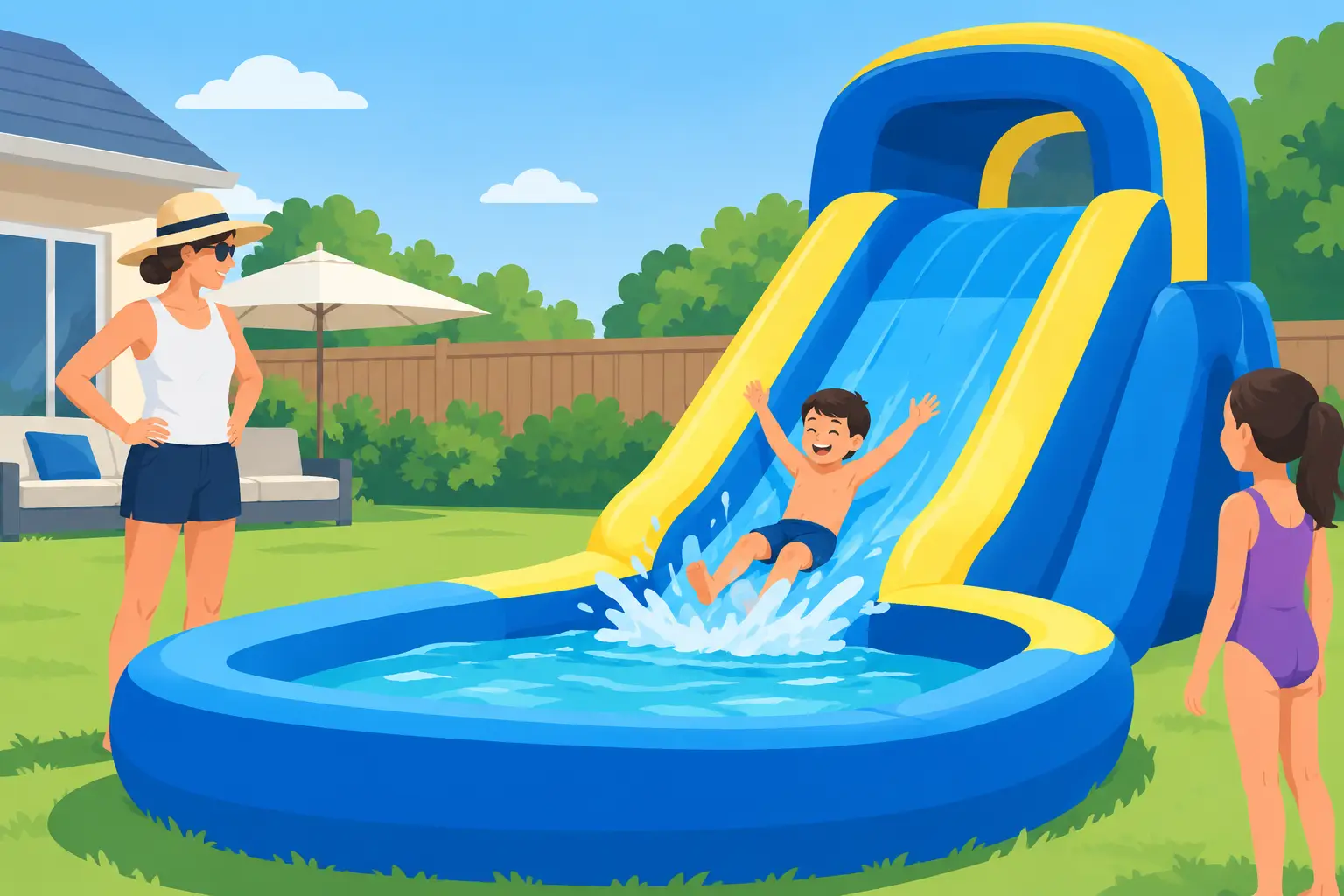
Plan for the weather, too. Ontario spring and early summer days can be warm one hour and rainy the next. Have access to shaded spaces, water refill stations, sunscreen reminders, and an indoor backup plan for essential activities. If water attractions are part of the event, make sure students know in advance to bring a change of clothes and a towel.
Give Each Age Group a Good Mix
The most exciting field days balance high-action games with lower-pressure options. Not every student wants to race, climb, or compete in front of classmates. Include activities that welcome different comfort levels and abilities.
For younger students, think classic games with clear instructions: beanbag tosses, parachute play, bubble stations, simple relays, and lawn games. Older students often enjoy obstacle course races, team challenges, giant yard games, and timed skill stations. A music or karaoke corner can be a surprisingly popular reset zone for students who want to participate without running laps.
Competition can add excitement, but it should not take over the day. Consider awarding points for teamwork, creativity, encouragement, and participation, not only for finishing first. This keeps the mood positive and gives more students a reason to get involved.
Choose Activities That Work in Real School Spaces
Your available space should guide your activity choices. A large grass field gives you room for races and inflatables, while a smaller schoolyard may be better suited to lawn games, skill stations, and a rotation-based layout. Avoid placing every popular activity in one area. Spread out the excitement so crowds do not form in the same spot.
Inflatable obstacle courses can be a standout attraction because they bring movement, colour, and a big-event feeling to the schoolyard. They also work well as a timed station, with students lining up by class or team. Bouncy castles are often a better fit for younger groups, while larger obstacle courses can give older students the fast-paced challenge they want.
If the event includes multiple grades, create zones. A high-energy zone can hold races, inflatables, and relay activities. A game zone can feature giant Jenga, cornhole, ring toss, or other lawn games. A cool-down zone can offer bubbles, music, seating, and water. Clear signs make a huge difference, especially when volunteers are helping direct groups.
Put Safety and Supervision Into the Fun Plan
Safety does not have to make the day feel overly formal. It simply gives everyone the confidence to enjoy it. Assign a responsible adult to each station, and make sure volunteers understand the rules, rotation schedule, and what to do if a student needs help.
For active equipment, follow the provider’s operating instructions and capacity rules. Students should remove shoes, sharp objects, and loose accessories before using inflatables. Hair should be tied back where appropriate, and adults should separate very different size groups if they are sharing the same attraction.
Have a first-aid point that is easy to find, along with a clear communication plan for staff. Ask teachers to carry class lists and identify students with medical needs before the day begins. Hydration matters just as much as game rules, particularly during warm weather. Build water breaks into the schedule instead of hoping students remember on their own.
A practical field day staffing plan usually includes station leaders, floaters, a first-aid contact, set-up support, and a lead organizer who can make quick decisions if weather or timing changes. The more clearly these roles are assigned, the less scrambling happens during the event.
Make Food and Breaks Part of the Experience
A field day can lose momentum when lunch turns into a long, unstructured pause. Plan meal breaks by grade or stagger them so students are not all lining up at once. If your school is bringing in treats or concessions, keep the menu simple and communicate allergy considerations well in advance.
Popcorn, cotton candy, snow cones, and other classic party treats can make a school event feel extra special, but they need the right space, power access, serving plan, and adult supervision. For some schools, a treat station works best near the end of the event as a celebratory finish. For others, it is easier to keep food separate from the activity zones and serve it during scheduled class breaks.
Remember that students do not need nonstop action to have a great day. A few benches, shade tents, music, and lawn games create natural places to recharge before the next round of fun.
Book Rentals Early and Ask the Right Questions
School event dates fill quickly, especially in June. Once your date, space, and student count are confirmed, reserve your key attractions early. Ask about equipment dimensions, required clearance, power needs, setup timing, supervision expectations, and what happens if weather forces a change.
It is also worth choosing a local provider that understands school events and can give you clear pricing upfront. Party Vista offers family-friendly inflatables, obstacle courses, lawn games, concession machines, and party extras for events across Brantford and surrounding Ontario communities, making it easier to coordinate more of your field day in one place. Clear costs matter when you are working within a school budget, so look for quotes without surprise add-ons or confusing fees.
Before booking, walk the site with your custodian or facilities contact. Check access gates, surface conditions, electrical outlets, parking, and the route delivery crews will use. An inflatable may fit beautifully on paper but still require a wider gate or a different setup area than expected.
Use a Simple Day-Of Checklist
The details that make field day run smoothly are often the least glamorous ones. Confirm them the week before, then review them again on event morning:
- Station maps, class rotation schedules, and staff assignments are printed or shared digitally.
- Water, shade, first-aid supplies, sunscreen reminders, and washroom access are ready.
- Equipment areas are marked, and each station has an adult lead.
- Teachers know the weather plan, emergency contact, and transition signals.
- Students and families have received clear notes about clothing, footwear, lunch, and towels if needed.
Give yourself permission to leave a little open time in the schedule. A popular obstacle course may need an extra rotation. A class may need a water break. A surprise dance party might break out near the speakers. Those are not planning failures. They are often the moments students remember most.
When the games are packed away and students head home tired, smiling, and talking about their favourite station, you will know the day did its job. Start with a manageable plan, choose a few big fun moments, and make room for the joyful surprises that turn a regular school day into a celebration!